



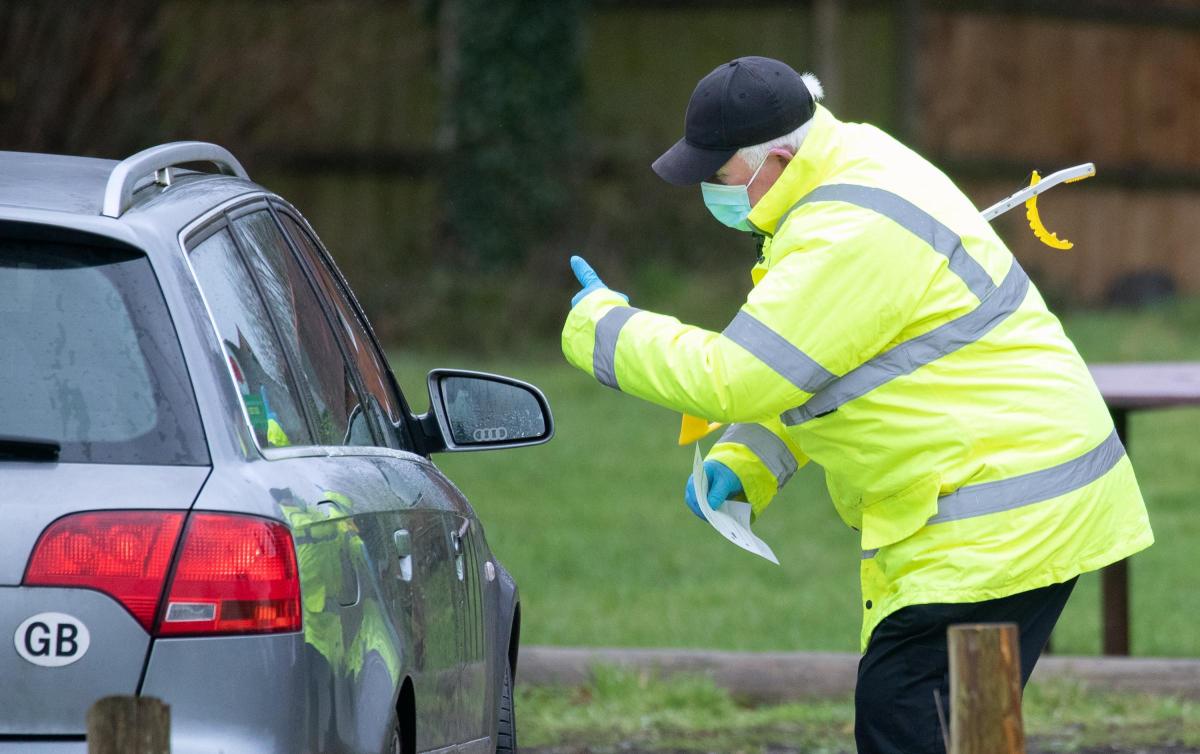
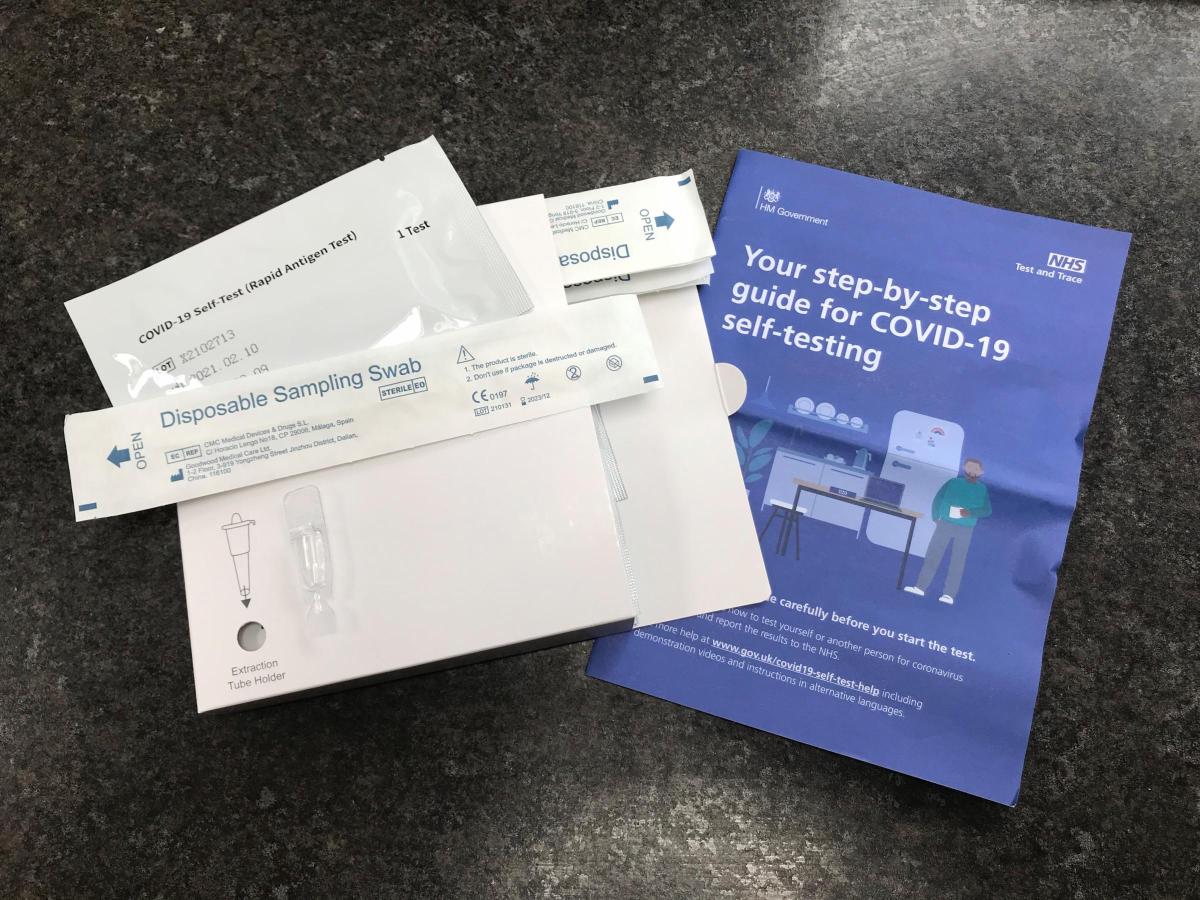

An inquiry has found the UK Government was "not prepared" to deliver a test and trace system at the start of the Covid-19 pandemic, which claimed nearly 6,000 lives in Essex.
The UK Covid-19 Inquiry found that failures in early testing and tracing meant the Government was "effectively blind" to the spread of the virus, allowing it to spread "virtually unchecked" and resulting in severe consequences nationwide.
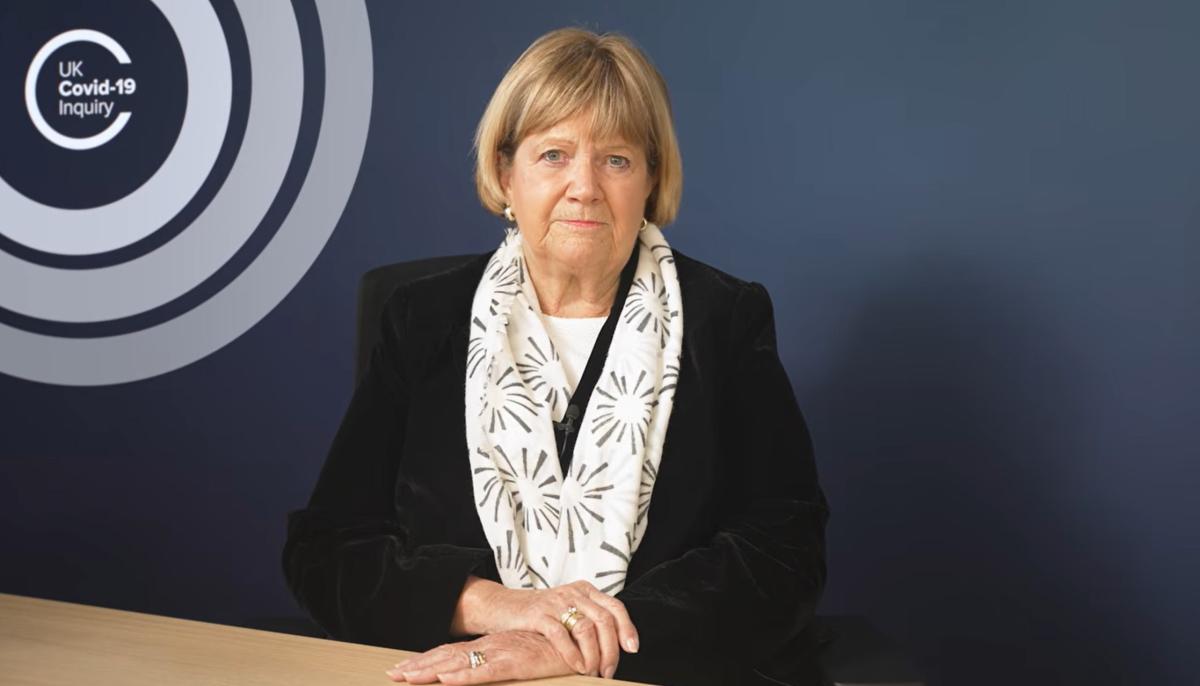
Baroness Heather Hallett, who led the inquiry, said: "The UK entered the Covid-19 pandemic woefully ill-prepared to implement effective, nationwide test, trace and isolate systems."

From March 2020 until the end of the pandemic in May 2023, Essex recorded 5,990 Covid-19 deaths, with the highest tolls in Tendring (898), Basildon (777), and Braintree (612).
Baroness Hallett’s 245-page report concluded that the Government’s inability to quickly increase testing capacity led to the abandonment of community contact tracing in March 2020.
The report stated: "There was no system of widespread testing, tracing or isolation for several months."
It also criticised the Government's border control policies as "a missed opportunity," noting that a 14-day self-isolation rule for all incoming travellers "could have had a significant impact."
The report added that even suspending all flights from China to the UK in February 2020 could "have provided valuable additional time to prepare healthcare systems for the impact of the pandemic."
The inquiry found that the lack of early planning increased the likelihood that more restrictive measures, such as lockdowns, would be needed later on.

Baroness Hallett said: "As the number of cases began to rise exponentially, capacity for testing, tracing and isolation was soon overwhelmed."
The report noted that while ministers eventually created an effective large-scale system, their initial efforts were hindered by poor planning and a lack of understanding of available resources.
Read more
-
Essex hospital admits policy was not followed after woman's death
-
Andy Burnham hails local news as 'critical' as PM backs Journalism Matters campaign
-
Centrepoint resident welcomes minister to mark new changes to Housing Benefit
Comparisons with Singapore, Australia and Germany exposed the UK’s shortcomings.
These countries, the report said, were "comparatively better prepared" and recorded significantly lower death rates in the first six months of the pandemic.
The report also highlighted that many people who were told to self-isolate felt unsupported.
Baroness Hallett said: "I heard distressing accounts from individuals who were faced with the unenviable choice of self-isolating and losing income, or going to work and risking spreading the virus."
She said that "with proper planning, clear communication and a unified strategy," a future system could protect healthcare services, slow the spread of infection, and save lives.


Share